From evening walks to month-long expeditions, the Río Grande Trail offers a window into the heart and soul of New Mexico and a journey through its exceptional natural and cultural heritage. The first segments of the trail were designated and developed in 2015, and work on new segment development is happening daily.
The Río Grande Trail network is intended to include a continuous primary alignment that follows the Río Grande as closely as possible.
A continuous river alignment is still a work in progress, due to respect for sovereignty, physical impasses, or paths yet to be discovered. In those cases – many of which are already identified in the preferred alignments in the Master Plan Appendices – alternate alignments will be considered. These may carry the trail many miles from the Río Grande itself. In such cases, continuity will take priority over proximity to the river.
Northern NM
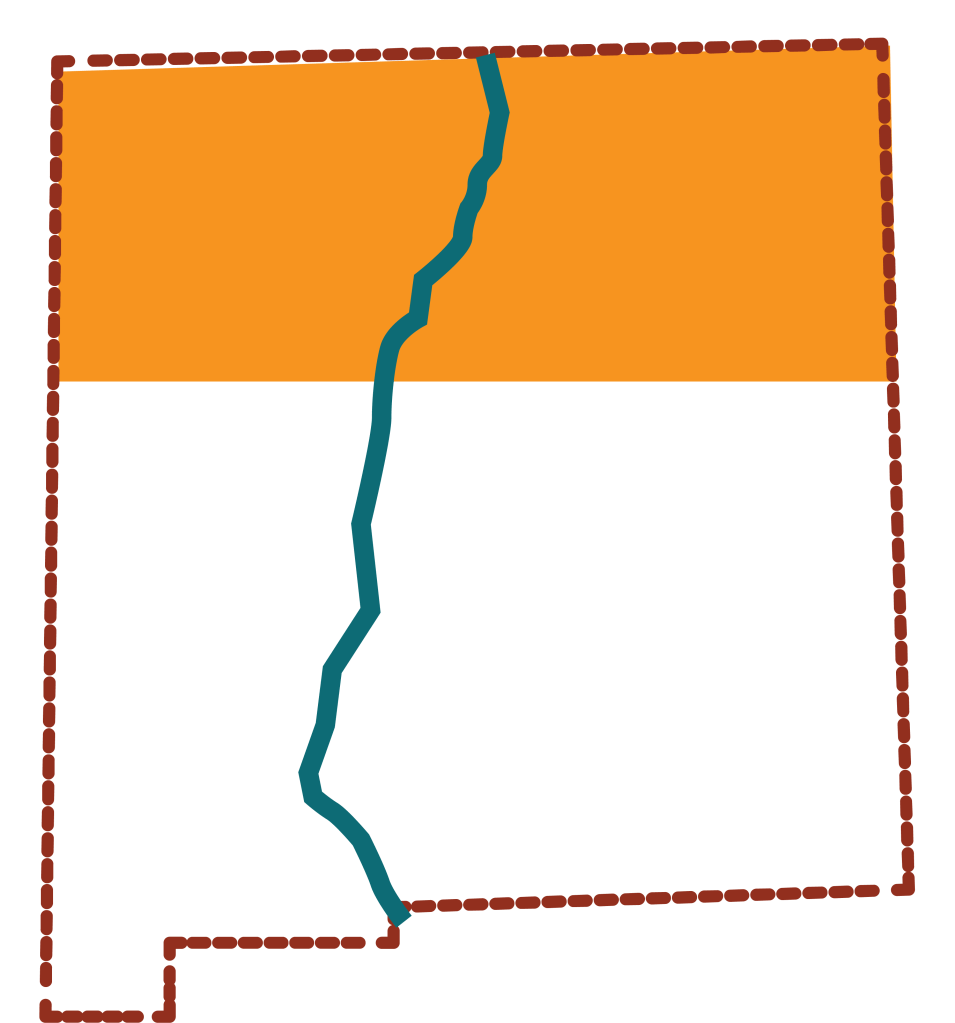
The river cuts into the Río Grande Gorge at the Colorado border in the arid plains of Cerro La Olla. Also known as the Taos Gorge, this protected area of 1,000-foot cliffs, river rapids, hot springs, and mesas fall within the National Wild and Scenic Rivers System (the other in Big Bend National Park). The northern New Mexico stretch includes the White Rock Canyon of the Jemez Mountains, the agricultural Espanola Valley where the first Spanish settlement was located, and Bandelier National Monument, home to magnificently preserved ancient Pueblo cliff dwellings.
Central NM
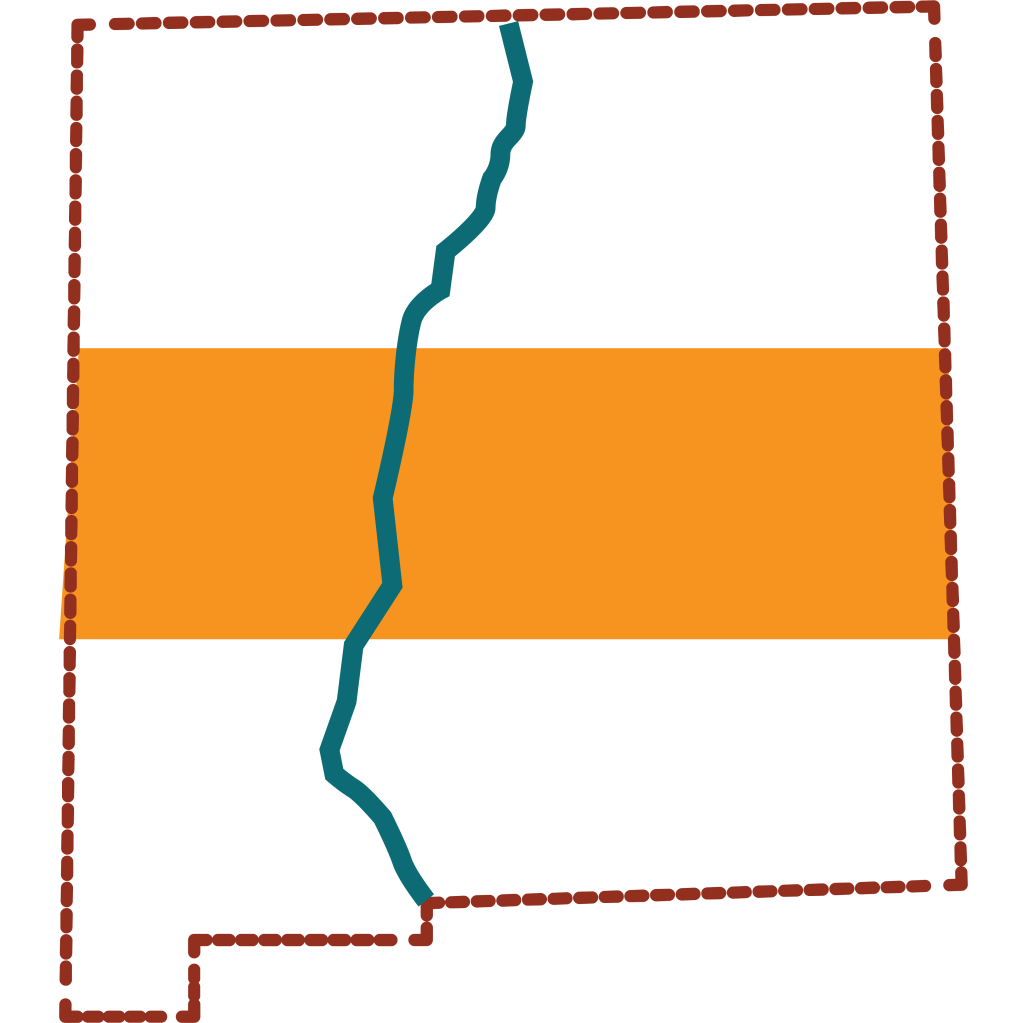
Central New Mexico forms the transition to a more urban and agricultural zones that follows the river south to Texas. The river courses through the arid high desert and many Pueblos. This region is typified by the traditional acequia irrigation system landscapes used by Native American and Spanish farmers. Unofficial footpaths follow arroyos and acequias along drainage corridors through the bosque or Cottonwood forests. Many of these paths connect to Albuquerque’s Paseo del Bosque Trail, which runs on the river levee across the city limits. Near San Antonio, the river flows through the Bosque del Apache National Wildlife Refuge, home to marshlands popular for birdwatchers.
Southern NM
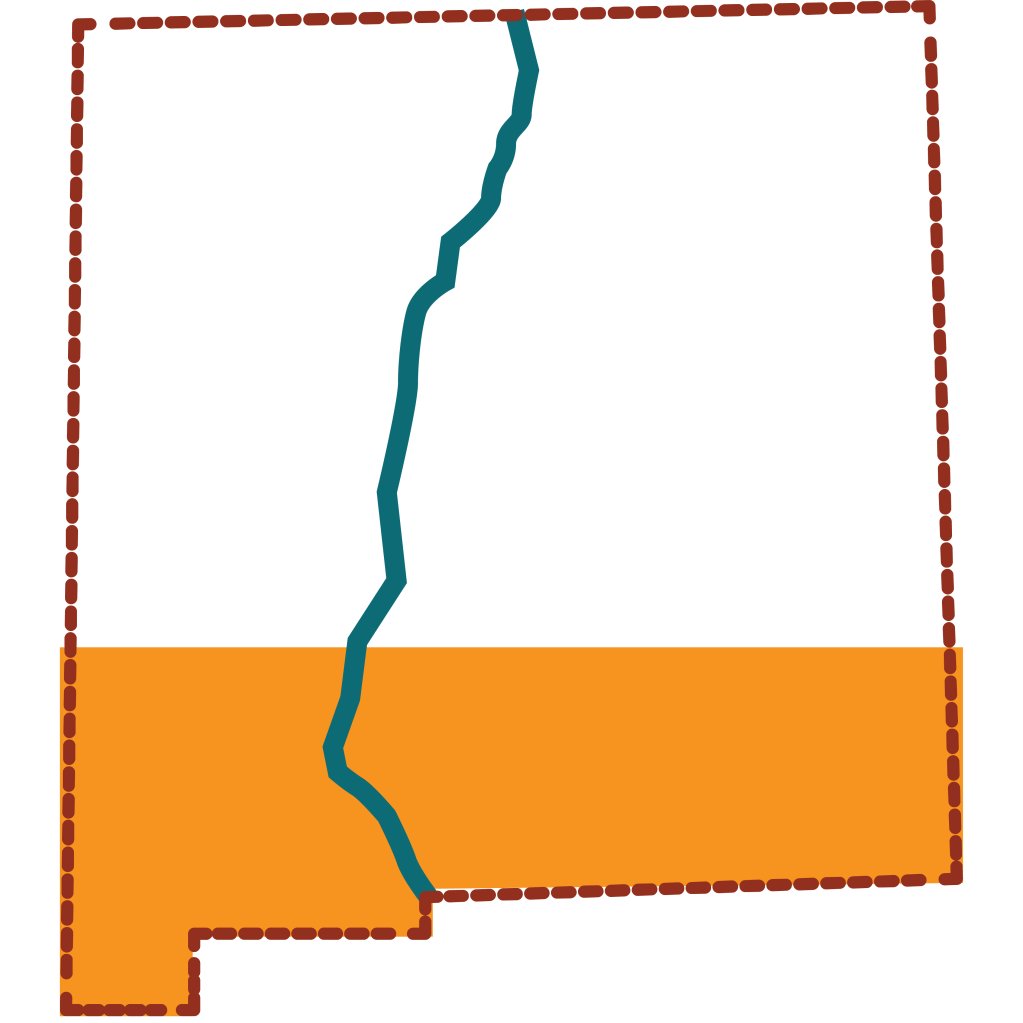
In southern New Mexico, the shallow river is a ribbon of green in the arid Chihuahuan Desert. Here, the river is the lifeblood for communities such as Truth or Consequences and Mesilla, and the primary agricultural production of crops such as chiles, cotton, grapes, and pecans. Elephant Butte Lake State Park is the State’s most prominent attraction for water recreation and its largest state park. The White Sands and Organ Mountains-Desert Peaks National Monuments serve as spectacular recreation destinations in this region. Near Las Cruces, the influence of Mexico on the culture, architecture, and food is palpable. The sunny climate feeds growing retirement communities, and the proximity to the border results in a variety of colonias.

Trail Users
The Río Grande Trail will be designed to accommodate pedestrians (including those using mobility devices and pushing strollers), hikers, cyclists, and equestrians. Trail design and user access will vary based on the trail type and the context of its section. By understanding the unique characteristics and needs of every trail user along this spectrum, Río Grande Trail managers can provide quality facilities and minimize user risk.
Gateway Communities
Gateway communities play a crucial role in the allure and sustainability of expansive trail systems. These communities, often strategically located along the trail route, serve as entry points and essential hubs for users embarking on extended journeys. Beyond providing logistical support such as accommodations, supplies, and services, these gateways offer a unique opportunity for cultural exchange and economic growth. As trail enthusiasts pass through, they engage with local businesses, learn about the community’s history, and contribute to its economic vitality. Gateway communities become more than mere pit stops; they evolve into partners in the trail experience, fostering a symbiotic relationship between outdoor adventurers and the towns that punctuate their long-distance journeys.
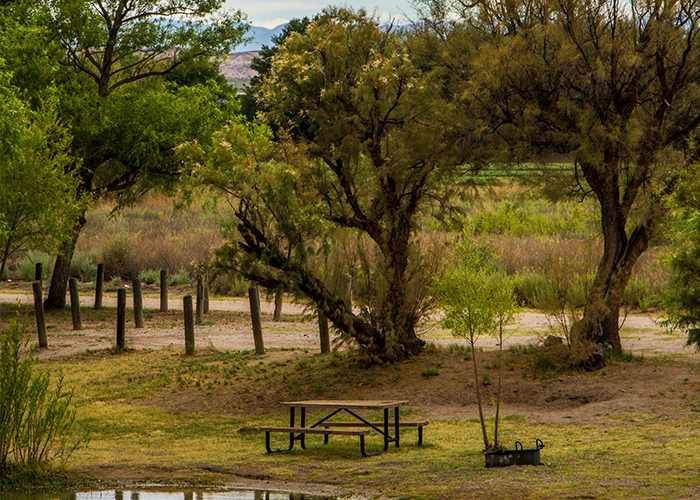
 The Rio Grande Trail